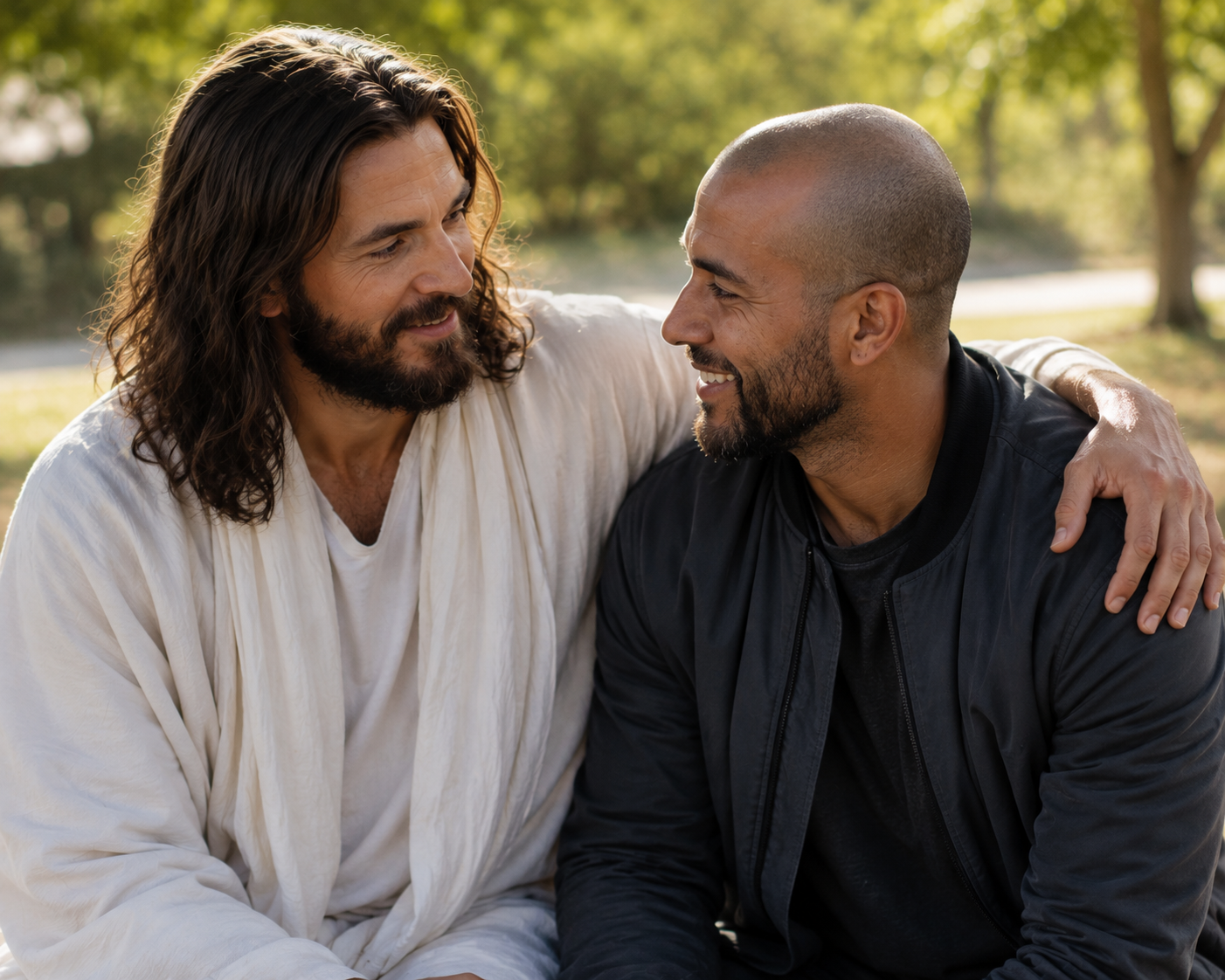
Let’s be honest: a lot of people hear “personal relationship with Jesus” and immediately picture something vague, overly emotional, or a little too close to a Christian book cover from the 1990s. But in Catholic life, this phrase means something very real, very beautiful, and very concrete.
A personal relationship with Jesus is not a spiritual accessory. It is the heart of the Christian life. Catholics believe Jesus is not distant, symbolic, or trapped in the past like a historical figure in a framed portrait. He is alive, present, and calling each of us by name. And the good news? This relationship is not reserved for saints with perfect prayer routines and color-coded notebooks. It is for every baptized believer, including the distracted, the tired, and the person who just realized their Bible has been collecting dust for six months.
The Church is clear that we are called to a vital and personal relationship with the living God. The Catechism says that the mystery of faith “requires that the faithful believe in it, celebrate it, and live from it in a vital and personal relationship with the living and true God” (CCC 2558). In other words, Catholicism is not just about keeping rules. It is about communion with Jesus Christ.

What a Personal Relationship with Jesus Really Means
When Catholics speak of a personal relationship with Jesus, we mean real friendship with the Lord who loves us, knows us, and saves us. Jesus Himself says, “I have called you friends” (John 15:15, NABRE). He also says, “Remain in me, as I remain in you” (John 15:4). That is not cold religious language. That is relationship language.
But here’s where things get really interesting: this relationship is not private in the “I do faith my own way” sense. Catholic faith is always personal and communal. We meet Jesus as members of His Body, the Church. That is why the Eucharist, Confession, Scripture, prayer, and the life of grace matter so much. A relationship with Christ is not something we invent; it is something we enter into.
St. John Paul II famously urged believers to open wide the doors to Christ and to awaken a full relationship with Him, mankind’s only Savior. That message still lands because Christianity is first about someone, not merely something.
Jesus Invites You Into Friendship
Scripture repeatedly shows that God desires closeness with us.
– “God is faithful, and by him you were called to fellowship with his Son, Jesus Christ our Lord” (1 Corinthians 1:9).
– “Whoever loves me will keep my word, and my Father will love him, and we will come to him and make our dwelling with him” (John 14:23).
– “I live, no longer I, but Christ lives in me” (Galatians 2:20).
These are not just pretty lines for a prayer card. They describe the Christian life. Jesus does not merely forgive us from a distance; He comes to dwell within us.
The Holy Spirit makes this relationship possible. St. Paul says, “God’s love has been poured into our hearts through the holy Spirit” (Romans 5:5). And again: “You received a spirit of adoption, through which we cry, ‘Abba, Father!’” (Romans 8:15). The Spirit teaches us to know Jesus not as an abstract idea, but as Lord and Savior.
The Sacraments Are Where the Relationship Grows
In Catholic life, our relationship with Jesus is not built on feelings alone. It is nourished through the sacraments He gave us. God, in His wisdom, knows we are wonderfully stubborn and occasionally distracted, so He gives us visible signs of invisible grace.

The Eucharist
Jesus says, “Whoever eats my flesh and drinks my blood remains in me and I in him” (John 6:56). That is about as personal as it gets. The Eucharist is the deepest earthly communion with Jesus Christ. The Catechism calls the Eucharist “the source and summit of the Christian life” (CCC 1324).
If you want to grow closer to Jesus, go to Mass. Receive Holy Communion reverently. Spend time in Eucharistic adoration if you can. Sitting quietly before the Blessed Sacrament may feel simple, but it is one of the most powerful ways to be with Him.
Takeaway: If your relationship with Jesus feels dry, don’t assume the answer is “try harder.” Start by going where He has promised to be.
Confession
A real relationship includes honesty, repentance, and mercy. In John 20:22–23, Jesus gives His apostles authority to forgive sins. Confession is not spiritual punishment. It is a meeting with Christ the healer.
When we go to Reconciliation, we do not just “clear our record.” We return to the One who loves us enough to restore us. That’s not vague comfort talk; that’s the Gospel in action.
Prayer Is Talking and Listening to Jesus
If you want a relationship with Jesus, start by speaking to Him. Prayer does not have to sound polished, poetic, or spiritually impressive. You do not need theological vocabulary or a prayer journal that looks like it belongs in a monastery gift shop. Just begin.
The Catechism says, “Prayer is the raising of one’s mind and heart to God” (CCC 2559). It also teaches that in the New Covenant, prayer is “the living relationship of the children of God with their Father… with his Son Jesus Christ, and with the Holy Spirit” (CCC 2565).
That means prayer is not a performance. It is conversation.
You can pray simply:
– “Jesus, I trust You.”
– “Lord, I’m overwhelmed today. Help me.”
– “Thank You for being patient with me.”
– “Show me what You want from me.”
Then pause. Be quiet. Let Him speak through Scripture, conscience, peace, conviction, or even gentle correction.
St. Teresa of Ávila described prayer as “a close sharing between friends.” That is one of the best Catholic summaries of prayer ever written.
Scripture Helps You Know His Heart
We cannot love Jesus well if we never get to know Him. One of the easiest ways to grow in friendship with Him is to read the Gospels regularly. Think of it as learning the contours of His heart, not just collecting religious facts.
Try starting with:
– Mark for a fast-paced introduction to Jesus
– Matthew for His teaching and fulfillment of prophecy
– Luke for His mercy and compassion
– John for His divinity and intimate love
A simple daily practice is lectio divina: read a short passage, reflect on it, pray with it, and rest in it. Even ten minutes a day can change your spiritual life over time.
Ask questions like:
– What does this show me about Jesus?
– What is He saying to me?
– How am I being invited to respond?

A Personal Relationship with Jesus Shows Up in Daily Life
A real relationship with Jesus changes how we live. Jesus says, “If you love me, you will keep my commandments” (John 14:15). That does not mean perfection. It means direction. We try to live in a way that pleases the One we love.
This includes:
– forgiving others
– serving the poor
– resisting sin
– being honest
– praying when life is easy and when it is not
– loving the Church, not just the parts we personally prefer
Jesus also reminds us, “Whatever you did for one of these least brothers of mine, you did for me” (Matthew 25:40). So loving others is not separate from loving Jesus. It is one of the ways we love Him concretely.
And yes, this sometimes means loving Him when it is inconvenient. Holiness has a funny way of showing up right when we would prefer a nap.
Simple Ways to Begin Today
If you want to deepen your relationship with Jesus, start small and stay consistent.
1. Pray every day for at least 5–10 minutes.
2. Read one Gospel passage daily.
3. Go to Mass faithfully, especially on Sundays.
4. Go to Confession regularly.
5. Spend time in Eucharistic adoration if available.
6. Speak to Jesus during ordinary moments—in the car, at work, while washing dishes.
7. Do one act of charity each day for love of Him.
You do not need to do everything at once. Grace grows like a seed, not a flash flood.
Why This Relationship Matters So Much
At first glance, “having a personal relationship with Jesus” may sound like one more item on a long religious checklist. But beneath all the Church vocabulary is something surprisingly practical: we were made for communion with God.
Sin damages that communion. Grace restores it. The sacraments nourish it. Prayer deepens it. Scripture reveals it. Charity expresses it. And the whole Christian life becomes a response to Jesus’ first loving invitation.
This is why the Church insists that faith is not just believing facts about Jesus. It is entrusting ourselves to Him—mind, heart, and life.
Conclusion: Friendship with Jesus Is the Goal
A personal relationship with Jesus is not a Catholic “extra.” It is the center of the Christian life. The Church teaches that we are called to know Him, love Him, and remain in Him through prayer, Scripture, the sacraments, and obedience in daily life.
Jesus is not asking for a complicated spiritual résumé. He is asking for your heart.
So begin where you are. Talk to Him. Open the Gospel. Return to Confession. Receive Him in the Eucharist. Stay close.
And remember: the relationship you seek is already being sought by the One who loves you first.
FAQ
Is a personal relationship with Jesus enough without the Church?
No. Catholics believe our relationship with Jesus is deeply personal, but never detached from His Body, the Church. Jesus gave us the sacraments and the apostolic Church as the ordinary means of grace.
How do I know if my relationship with Jesus is growing?
Look for signs like greater desire for prayer, deeper love for Scripture, increased repentance, more patience, growing charity, and a stronger hunger for the sacraments.
What if I don’t “feel” close to Jesus?
Feelings matter, but they are not the foundation. Faithfulness matters more. Keep praying, keep going to Mass, keep receiving the sacraments, and keep turning toward Him. Dry seasons happen, and they do not mean Jesus has left the room.